Alloy wheels have been standard on virtually every vehicle sold in Canada for the last fifteen years, and sooner or later, most owners end up asking what alloy rim repair costs actually look like. They are lighter than steel, they dissipate brake heat more efficiently, and they look better. But they are also more vulnerable to damage than most drivers expect. A single pothole on the 401, a glancing curb strike in a Scarborough parking lot, or a hard impact on a heaved section of pavement on the QEW can bend, crack, gouge, or corrode an alloy rim in ways that affect both safety and appearance.
I have been doing mobile wheel repair across the GTA for over 15 years, and the most common thing I hear from drivers is that they did not realize how many types of damage could be fixed until someone told them. Alloy wheel rim repair cost is not a single number. It covers five distinct damage types, each with its own process and price point. This guide covers all of them, what the service costs in the GTA in 2026, how we assess whether a wheel is worth fixing or should be replaced, and what the full on-site repair process looks like from start to finish.
Why Alloy Wheels Damage the Way They Do
Understanding why alloy wheels fail as they do helps explain why the repair process differs for each damage type. Alloy wheels are typically cast from an aluminum alloy, which gives them weight and thermal advantages but also makes them behave differently under impact than steel wheels.
Steel wheels deform plastically under impact. They dent and bend but rarely crack, and the deformation absorbs energy across a relatively large area. Aluminum alloy wheels are harder and more brittle. When a load exceeds the alloy’s yield strength, the failure tends to be concentrated and abrupt. A sharp pothole impact at 60 km/h can produce a clean bend or a hairline crack in an alloy rim that would have simply dented a steel wheel.
GTA road conditions amplify this. The freeze-thaw cycle that Ontario roads go through from November through April causes pavement to heave and fracture, creating the sharp-edged, steep-walled potholes that are hardest on alloy wheels. Road salt accelerates corrosion of the aluminum oxide layer, the most common source of alloy wheel damage for GTA drivers during winter. And the volume of traffic on highways like the Gardiner Expressway, the DVP, and the 400-series roads means those damaged road surfaces stay in use for weeks before repairs are made.
The result is that alloy wheel damage in the GTA is not just common. It is predictable, seasonal, and often compounding. A small bend that goes unaddressed adds stress to the tire bead with every rotation. A hairline crack that starts as a slow air leak can propagate through the barrel over weeks of highway driving.


The Five Types of Alloy Rim Damage We Fix
Bent Alloy Rims
Bent rims are the most common type of damage we handle across the GTA. It occurs when a wheel absorbs a direct vertical or lateral impact, typically from a pothole, a raised manhole cover, or a hard curb strike, that forces the barrel or lip out of true. The result is a wheel that no longer runs concentrically, producing vibration, uneven tire wear, and, in severe cases, repeated tire pressure loss as the bead fails to seal properly against the deformed rim. We address bends through hydraulic straightening, covered in detail in our bent rim repair guide.
Curb Rash and Surface Gouging
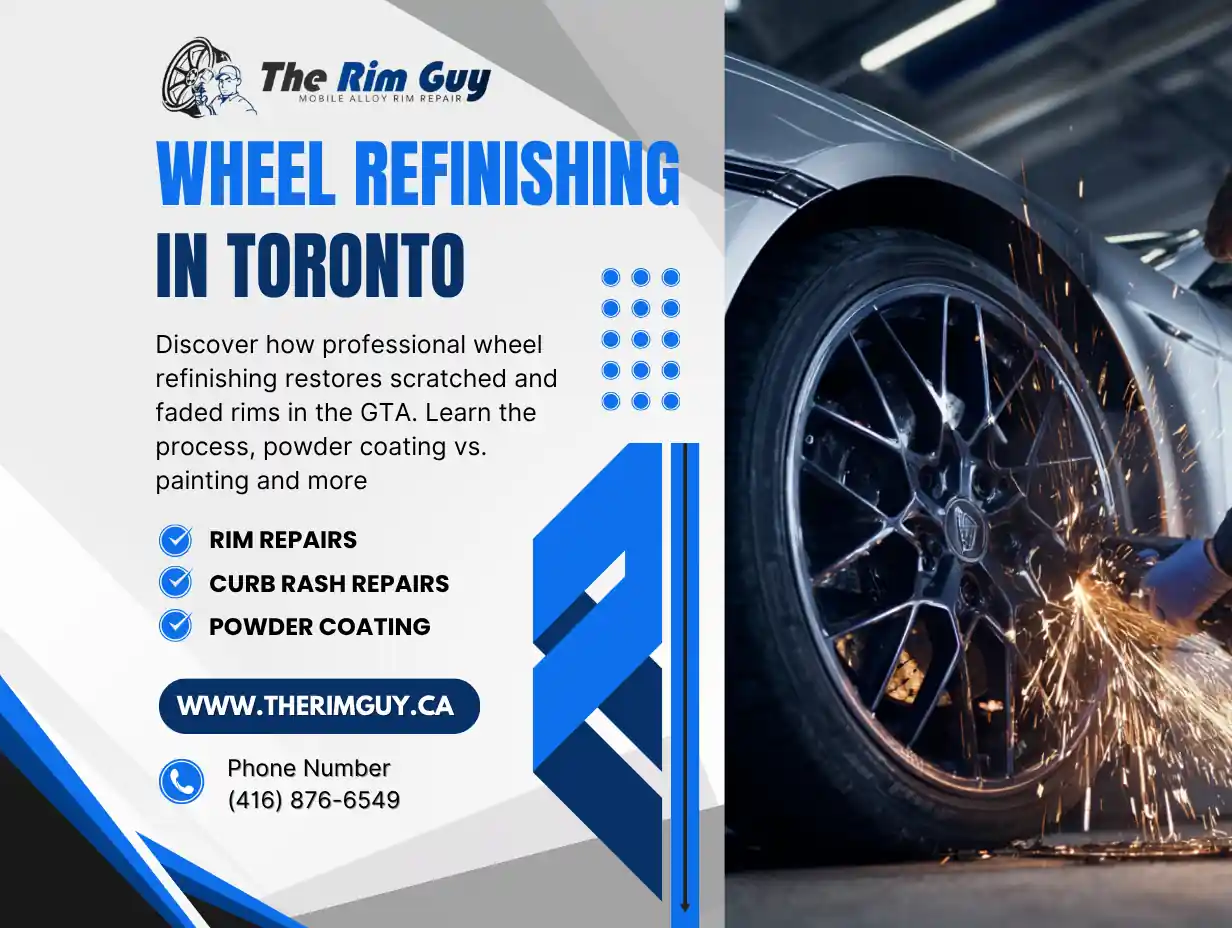
Curb rash is the scraping and gouging of the outer rim face from contact with a curb, concrete barrier, or raised edge. It is primarily cosmetic, but becomes a structural concern when it is deep enough to compromise the rim lip or expose bare aluminum to road salt over a GTA winter. Surface gouging from road debris falls into the same category. We repair curb rash by filling, sanding, priming, and refinishing the affected area to match the surrounding wheel finish.
Cracked Alloy Rims
A cracked rim is the most safety-critical type of damage. Cracks typically occur at spoke bases, around the barrel, or near the valve stem hole when an impact exceeds the alloy’s fracture threshold. The immediate symptom is usually slow air loss, which many drivers misattribute to a faulty valve stem or a puncture. A crack that is not repaired can propagate under load and fail without warning at highway speed. We cover the full assessment and repair process in our rim crack repair service page.
Corroded and Oxidized Alloy Wheels
Oxidation and salt corrosion are the long-term damage types on GTA alloy wheels. When the clear coat or paint finish breaks down, exposed aluminum reacts with moisture and road salt to form a white, chalky oxidation layer. Left untreated, this pitting works into the surface and eventually compromises the bead seat, the section of the barrel that the tire seals against. Corroded bead seats cause slow air loss that no amount of tire sealant will permanently fix. The repair involves stripping the affected area to bare metal, treating the surface, and applying a fresh primer and finish coat.
Clear Coat Failure and Finish Degradation
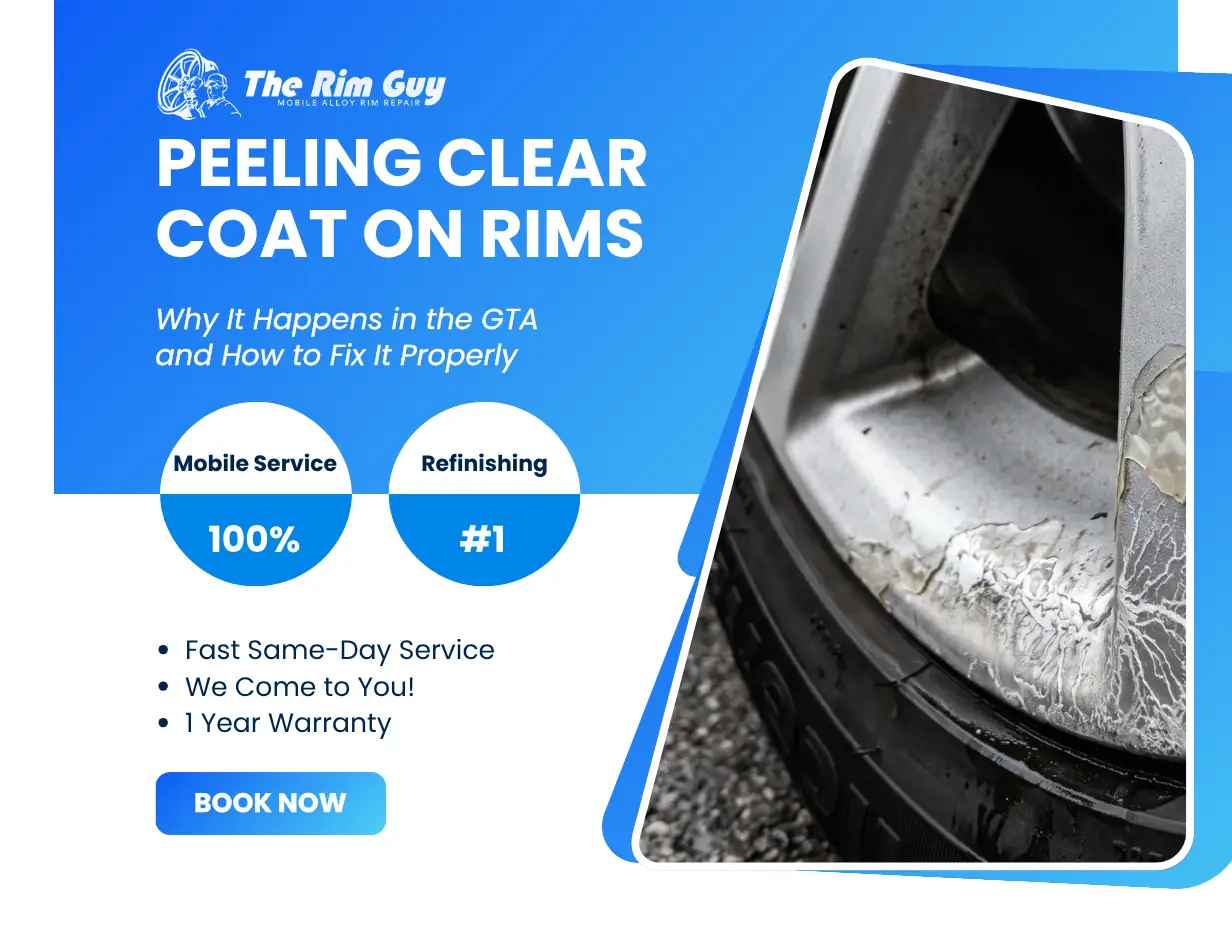
Clear coat failure is the most common cosmetic issue we see on GTA vehicles between three and eight years old. The combination of road salt, UV exposure from long Ontario summers, and the thermal cycling that brake heat produces causes the clear coat to peel, crack, or yellow from the edges inward. Once the clear coat fails, the bare paint beneath is exposed to salt, accelerating degradation. This is a service most drivers put off too long, and one that becomes significantly more expensive once the paint beneath the clear coat begins to lift.
Alloy Rim Repair Cost in the GTA: 2026 Full Breakdown
The cost depends on the type and severity of the damage, the wheel size, and whether finishing work is required after the structural repair. Here is what GTA drivers pay for each type of alloy wheel rim repair in 2026, based on our current mobile on-site pricing:
| Damage Type | Repair Method | Alloy Rim Repair Cost (CAD) | Same-Day Mobile? |
| Minor bend (under 3mm) | Hydraulic straightening | $100 – $150 | Yes |
| Moderate bend (3-6mm) | Hydraulic straightening | $150 – $200 | Yes |
| Severe bend (6mm+) | Multi-pass hydraulic press | $200 – $300 | Yes |
| Curb rash Level 1-2 | Fill, sand, prime, refinish | $90 – $180 | Yes |
| Curb rash Level 3-4 + lip | Fill, reshape lip, full refinish | $180 – $320 | Yes |
| Hairline crack (barrel) | TIG weld, grind, refinish | $150 – $260 | Yes |
| Crack at spoke base | TIG weld, structural assessment | $200 – $350 | Yes |
| Oxidation / bead seat corrosion | Strip, treat, prime, finish | $130 – $220 | Yes |
| Clear coat restoration | Sand, prime, respray clear | $100 – $150 | Yes |
| Bent + cracked (combined) | Straighten + weld + finish | $250 – $400 | Yes |
All prices above are for mobile on-site service at your driveway and may vary depending on quantity and your location in the GTA. There is no towing cost, no shop drop-off, and no waiting days for your vehicle. Most single-wheel alloy wheel rim repair jobs are completed in 60 to 90 minutes on-site. Combined damage repairs take two to three hours, depending on the scope.
How Alloy Rim Repair Cost Compares to Replacement
The most common question we get after describing the damage is whether it is cheaper to repair or replace. In almost every case involving a structurally sound wheel, repairing the wheel is significantly cheaper than buying a replacement. Here is what replacement actually costs for common GTA vehicles in 2026:
| Vehicle | Single OEM Alloy (CAD) | Typical Repair Cost (CAD) | Savings |
| Honda CR-V 18 inch | $450 – $600 | $130 – $200 | $270 – $470 |
| Toyota RAV4 18 inch | $400 – $550 | $130 – $200 | $270 – $420 |
| Ford F-150 20 inch | $500 – $700 | $180 – $280 | $320 – $520 |
| BMW 3 Series 18 inch | $600 – $950 | $150 – $280 | $450 – $800 |
| Tesla Model 3 18 inch | $500 – $750 | $150 – $260 | $350 – $600 |
| Audi Q5 19 inch | $550 – $850 | $160 – $300 | $390 – $750 |
| Chevrolet Equinox 17 inch | $280 – $420 | $100 – $180 | $180 – $340 |
OEM replacement costs above are per wheel before mounting, balancing, and alignment. For most GTA drivers on standard vehicles, the financial case for repairing rather than replacing is straightforward. The exception is a wheel that has failed structurally or been repaired multiple times in the same location. In those cases, we will say so honestly rather than proceed with work we cannot stand behind. According to Consumer Reports, wheel damage left unaddressed is among the leading causes of premature tire failure and unplanned replacement costs for Canadian vehicle owners.
What Determines Whether an Alloy Rim Is Repairable
Not every damaged alloy wheel can or should be repaired. When we arrive on-site, our assessment follows a clear set of criteria before we commit to any alloy wheel rim repair. This is what we look at:
Structural Integrity Assessment
We examine the barrel, spoke junctions, and inner face for cracks, fatigue lines, and previous repair evidence. A wheel that has been welded in the same location before shows metal fatigue in the surrounding alloy that increases the risk of re-cracking under load. A crack that runs through a primary spoke or through the load-bearing section of the barrel may be beyond safe repair regardless of weld quality.
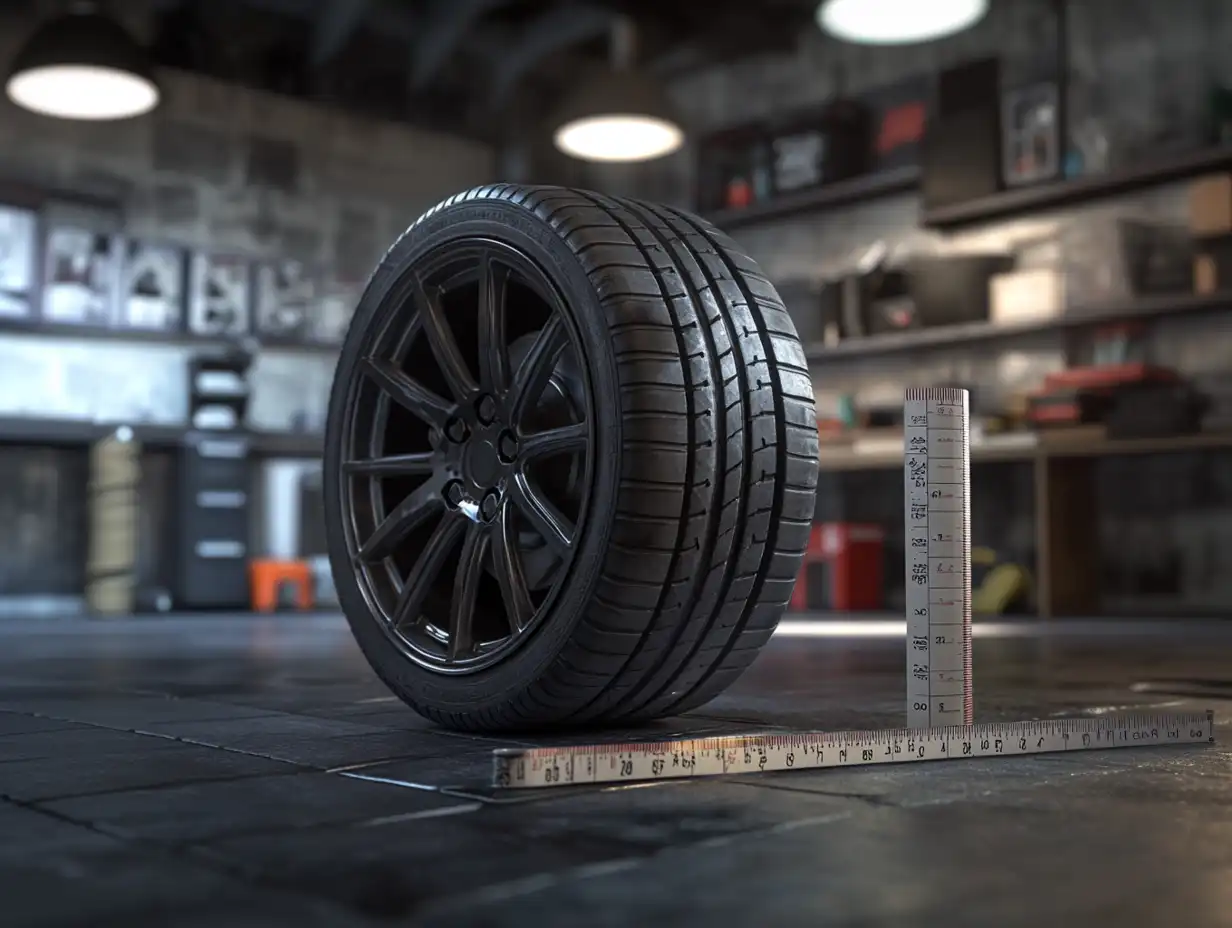
For bent rims, we check whether the deviation can be corrected to within manufacturer runout tolerance, typically 0.5mm or less, without over-stressing the alloy. A severe bend that has work-hardened the metal may not return to spec safely and we will say so before starting rather than after.
Bead Seat Condition
The bead seat is the inner surface of the barrel where the tire seals against the wheel. It is the most functionally critical area of any alloy rim and also one of the most exposed to salt corrosion in GTA winter conditions. Pitting or deformation at the bead seat that is beyond the tolerance for a reliable air seal means the wheel cannot hold pressure reliably regardless of any other repair work done on it. We check this at every inspection.
Repair Economics
We will not recommend a repair that costs more than 60 percent of what a replacement wheel would cost for that specific vehicle. Beyond that threshold, the economics no longer favour repair, particularly when the repaired wheel still carries some residual risk compared to a new unit. We factor replacement cost into every assessment and share that comparison openly.
Our On-Site Alloy Rim Repair Process: 6 Steps
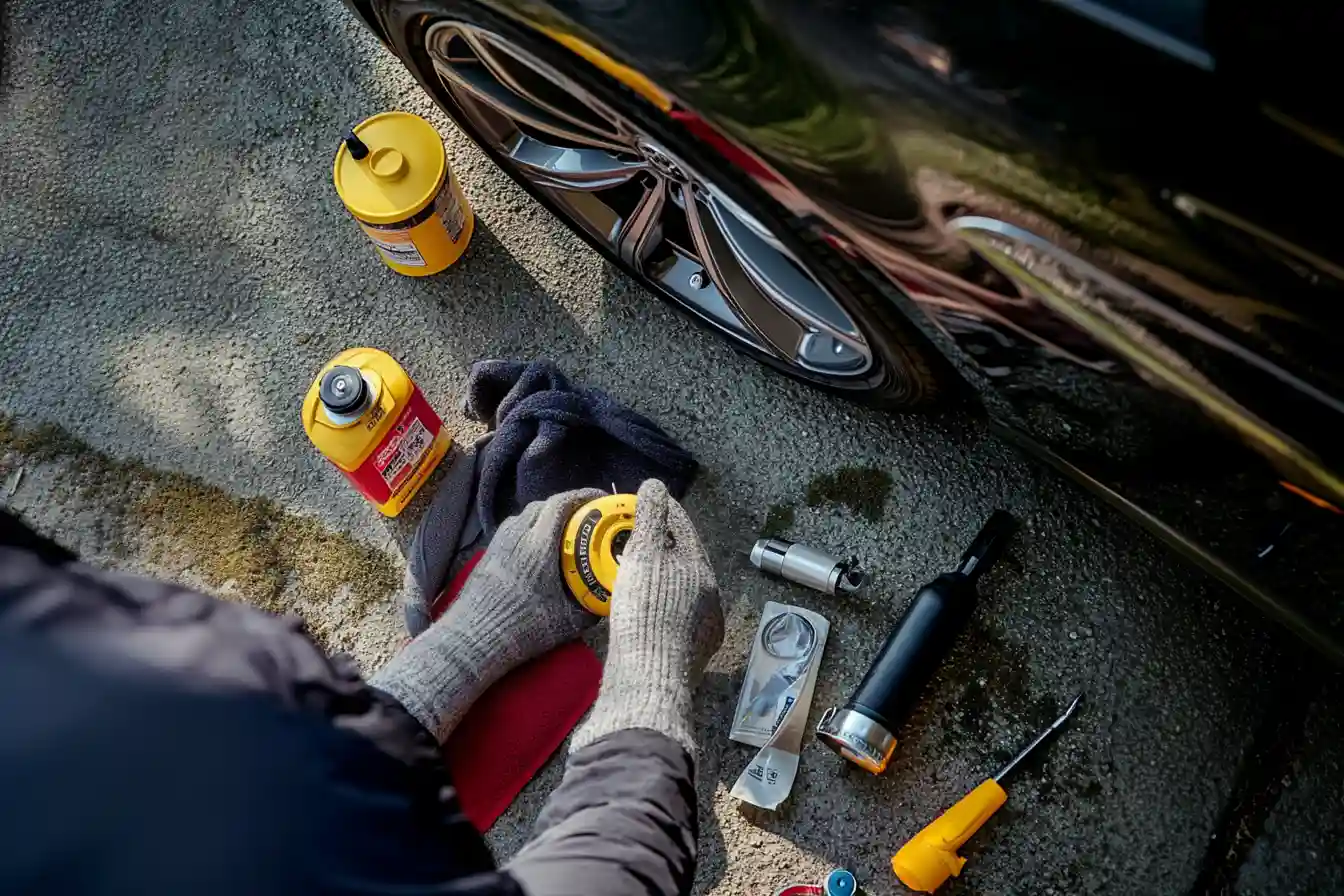
Our mobile alloy rim repair service covers all five damage types described above from a single fully equipped service vehicle. Here is the complete process:
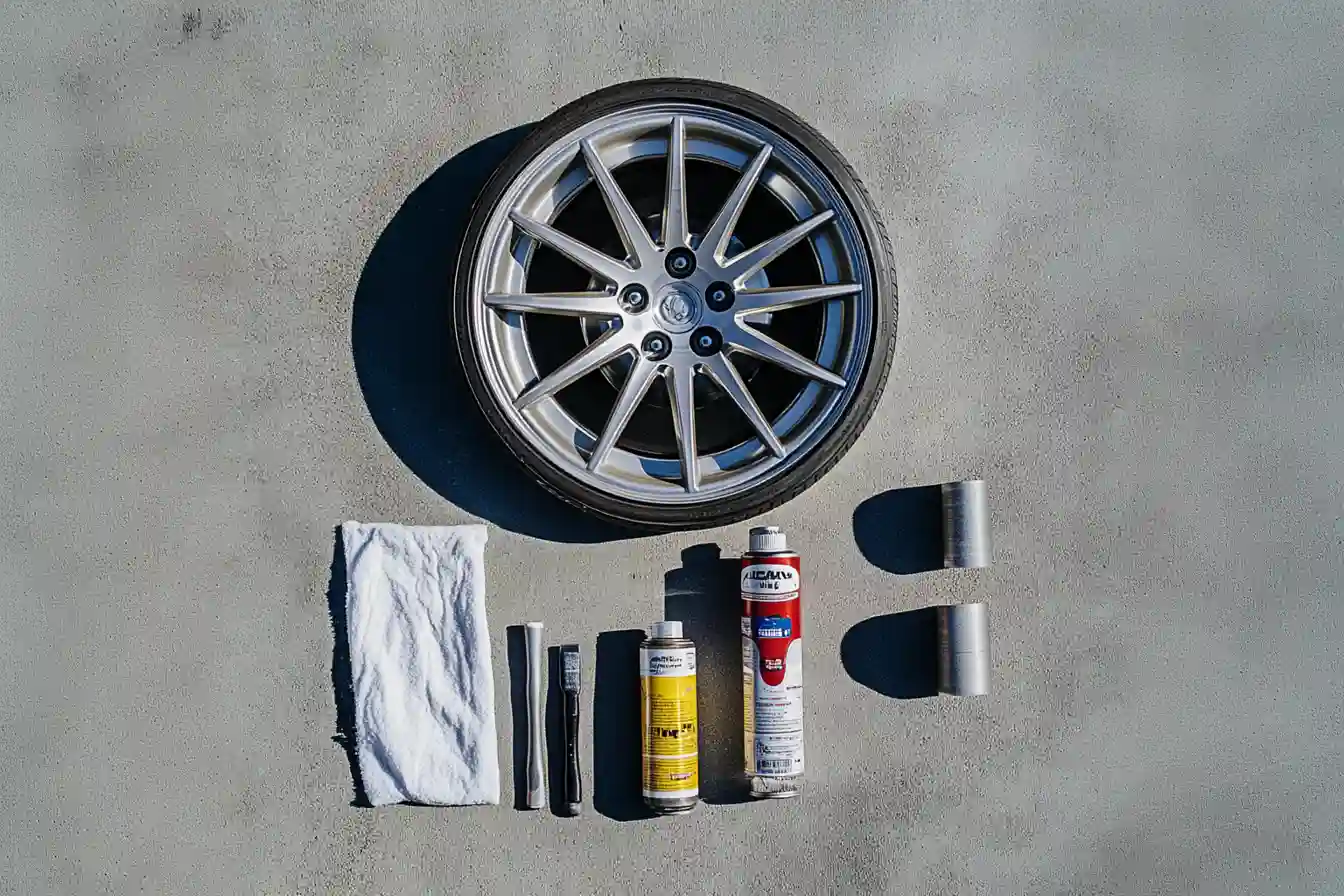
- Inspection and damage mapping. We examine the wheel face, lip, barrel, inner face, spoke junctions, and bead seat. For bent wheels, we check runout using a dial indicator. For suspected cracks, we use a visual inspection under portable lighting and, where needed, a dye penetrant test on hairline fractures. This takes 10 to 15 minutes and determines everything that follows.
- Tire removal. We dismount the tire using portable bead-breaking equipment. No wheel repair work is done under a mounted tire. The tire must be off for accurate straightening measurement, proper weld access, and safe refinishing.
- Structural repair. For bends: hydraulic press straightening in incremental passes with runout measurement between each. For cracks: TIG welding of the fracture, followed by grinding the weld flush and verifying the repair zone under load simulation. We do not move to finish work until the structural repair meets specification.
- Surface preparation and cosmetic repair. Curb rash and corrosion are addressed at this stage. We fill, sand, and feather the damaged area before priming. For oxidation at the bead seat we strip to bare metal and apply a conversion coat before refinishing.
- Finish coat application. We apply primer, colour coat matched to the existing wheel finish, and automotive-grade clear coat. This is done on-site using professional spray equipment with proper flash time between coats.
- Tire remount, inflation, and final inspection. We remount and inflate to manufacturer spec, check the bead seat visually, verify runout on straightened wheels, and do a final finish inspection in daylight before leaving.
A single-wheel repair for one damage type takes 60 to 90 minutes on-site. Combined damage, such as a bent and corroded wheel requiring straightening, bead seat treatment, and refinishing, takes two to three hours. We work Monday to Saturday, 9 AM to 7 PM, across all of Toronto and the broader GTA.
Alloy Rim Repair for Specific Vehicle Types in the GTA
The repair process is consistent across vehicles, but certain types we see regularly across the GTA have specific considerations worth knowing about.
Tesla Model 3 and Model Y
Tesla alloy wheels are particularly vulnerable to curb rash due to low-profile tire fitment and the large, exposed-spoke design. The 18-inch Aero wheels on the Model 3 and the 19-inch Sport wheels on both models are cast alloy with a painted finish that is susceptible to salt-accelerated peeling of the clear coat in Toronto winters. We do a significant volume of alloy rim restoration work on Tesla vehicles across the GTA. Most Model 3 and Y alloy rim restoration work in Toronto falls between $130 and $220 per wheel for curb rash and clear coat.
BMW, Mercedes, and European Performance Vehicles
European performance vehicles typically run 18 to 20-inch alloy wheels on low-profile tires, which maximises their exposure to pothole damage on GTA roads. The OEM replacement cost for a single BMW M Sport or Mercedes AMG Line wheel is high enough that the cost comparison is strongly in favour of repair for almost any damage type short of a structural crack. We carry colour-matched paint references for most common European OEM finishes.
Trucks and Full-Size SUVs
Full-size trucks and SUVs running 20-inch and larger alloy wheels are increasingly common across the GTA and the 905 region. The weight of these vehicles means that pothole impact forces are higher, and bend severity tends to be greater than on passenger cars. Most heavy-duty truck alloy bends we see are in the moderate to severe range and fall between $180 and $300 per wheel for straightening. The larger wheel diameter also means more surface area for curb rash, which makes alloy rim restoration on trucks a frequent booking for us.
The Right Time to Book an Alloy Rim Repair
The answer is as soon as you notice the damage. Every week a bent rim runs unrepaired, the tire bead is under asymmetric stress. Every winter a corroded bead seat goes untreated, the pitting deepens. Every time a cracked rim is driven at highway speed on the 400-series roads, the fracture has the opportunity to propagate. The Automotive Protection Association of Canada consistently notes that deferred wheel and tire maintenance is among the most common sources of avoidable vehicle repair costs for Canadian drivers. A repair that costs $150 today is almost always cheaper than the secondary damage it prevents: a tire replacement, a wheel bearing, or a blowout.
Spring and early fall are the peak booking periods for alloy wheel rim repair in the GTA, which means our schedule fills quickly during those weeks. If you have damage from the past pothole season, or if your wheels picked up curb rash or corrosion over winter, the best time to book is now, rather than waiting until the problem compounds.
Get Your Exact Alloy Rim Repair Cost, Same Day
We cover every type of wheel damage from a single mobile service vehicle. Whether your wheel has a bend from a Gardiner pothole, curb rash from a North York parking lot, a crack that is slowly losing air, or a clear coat that has not survived another Toronto winter, we come to your location and handle the alloy rim restoration on-site with same-day turnaround in most cases. We serve Toronto, Mississauga, Brampton, Vaughan, Markham, Scarborough, North York, Etobicoke, Hamilton, Oakville, Burlington, Barrie, and the full GTA. Call us at 416-876-6549 or fill out the quote form on our quote form on our contact page with a photo of the damage and your wheel size. We will get back to you with an accurate alloy rim repair cost estimate and available times, same day.