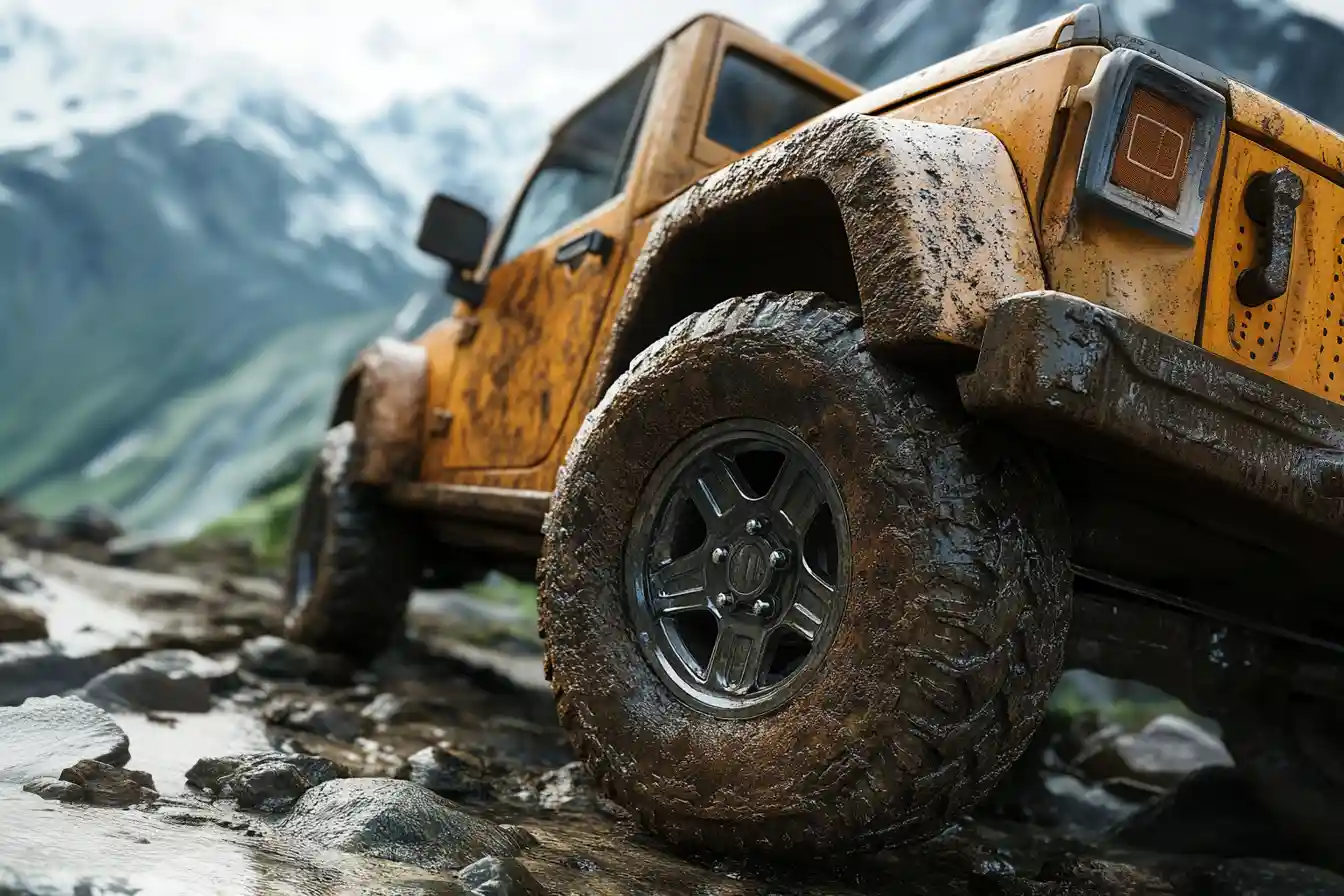

Snow, ice, slush, and crater-sized potholes- winter in the Greater Toronto Area puts wheels through the wringer. 🥶 Each October, the same emails land in our inbox:
“I just bought winter tires; should I mount them on steel wheels or keep using my alloys?”
“Which option gives me the best rims for winter without costing a fortune?”
The debate of Alloy vs. steel wheels has raged for decades, but most online answers skip the nitty-gritty of Toronto’s salt-soaked roads. So, let’s settle it once and for all with a deep dive into winter performance: steel vs. alloy rims. We’ll look at up-front cost, long-term durability, rust vs. corrosion, driving feel, resale value, and most importantly, maintenance strategies that keep you rolling until the lilacs bloom again.
Why Winter in the GTA Punishes Wheels
Before picking sides, you need to understand the battlefield. Toronto’s climate creates a perfect storm of wheel killers:
- Freeze–thaw cycles crack asphalt and spawn potholes overnight.
- Salt & brine cling to metal like glue, accelerating oxidation.
- Gravel and cinders fired from tire treads chip paint faster than summer debris.
- Sub-zero temps spike tire-pressure fluctuations, stressing bead seats.
Whether you roll on steel or aluminum, you’ll face the same assault. The real question is which rim material handles each hazard with fewer headaches and lower lifetime cost.

Steel Wheels: The Blue-Collar Workhorse 🛠️
What They Are
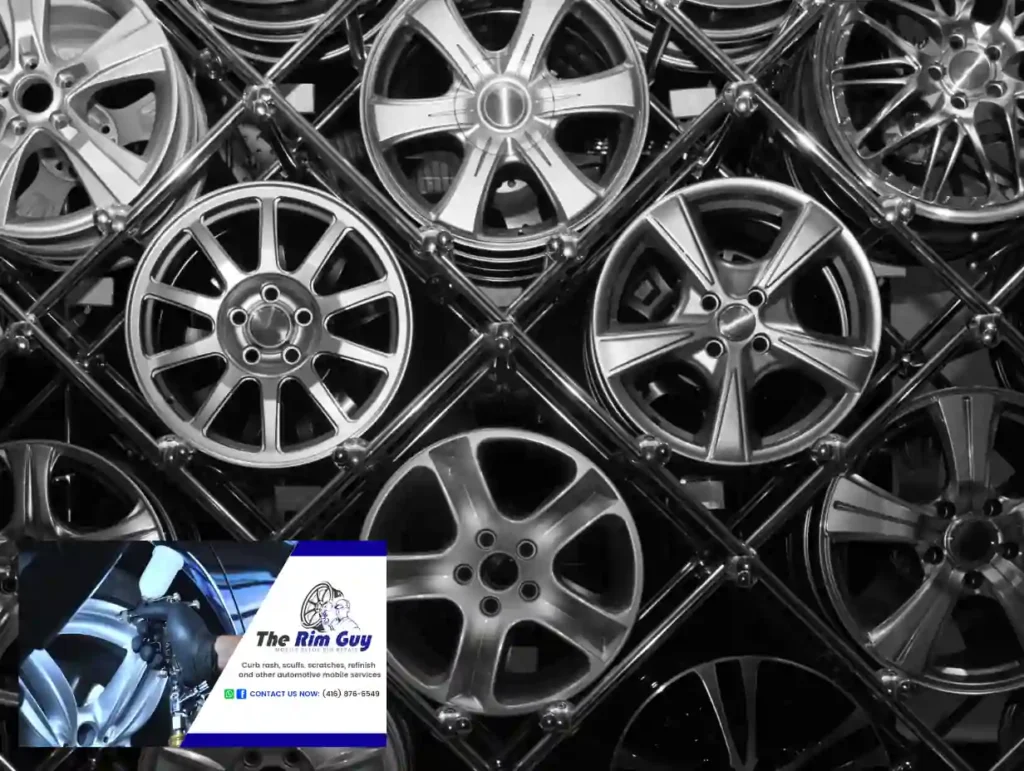
Stamped from low-carbon steel, “steelies” tone down styling but amp up toughness. Most come primed and painted black; pop-on hubcaps provide a quick cosmetic boost.
Strengths (No numbers, just straight talk)
• Affordability: 15″–17″ steel rims often cost half the price of comparable alloys, perfect for drivers funding new winter tires and holiday gifts at the same time.
• Impact resilience: When a rim meets an unseen pothole on Lawrence Avenue at -15 °C, steel tends to bend rather than crack. A shop can cold-press a dented flange for under $50.
• Simple storage: You’re not worried about minor scratches; throw them in the basement until next season.
Weak Spots
• Weight: Hefty designs add 1–3 kg per corner. Extra unsprung mass dulls steering feel and can stretch braking distances on ice.
• Rust risk: Chips expose raw metal. Mix in road salt, and you’ll see orange freckles in weeks. Persistent bead rust causes those annoying slow leaks that set off your TPMS light at 6 a.m.
• Plain-Jane looks: Even with hubcaps, steel wheels won’t win a Cars & Coffee trophy.
Alloy Wheels: The Lightweight Contender ✨
What They Are
Cast or forged from aluminum blends (often with a pinch of magnesium or silicon), alloys offer sculpted spokes, lighter weight, and better heat dissipation.
Strengths
• Reduced unsprung weight: Dropping 2–4 kg per corner helps snow tires bite quicker and lets suspension react faster to icy bumps.
• Stylish designs: From split-five spokes to stealth bronze, alloys keep your crossover or sedan Instagram-ready even when bundled in snow.
• Brake-heat management: Aluminum sheds heat faster, handy if you descend the Niagara Escarpment every ski weekend.
Weak Spots
• Brittle under big hits: A deep Finch Avenue pothole can spider-crack an alloy barrel beyond safe repair. Welding works in many cases, but replacement costs can sting.
• Salt creep: Aluminum doesn’t rust red, yet chloride ions worm under chipped clear-coat, lifting it into chalky white blooms. Repairs mean stripping, sanding, and refinishing.
• Higher replacement cost: One OEM 19″ wheel = the price of four 16″ steels.
Head-to-Head Alloy vs Steel Wheels Comparison
| Factor | Steel Wheels | Alloy Wheels |
|---|---|---|
| Up-Front Cost (16″) | $60–$95 ea. | $160–$300 ea. |
| Average Weight (17″) | 24–28 lb | 17–22 lb |
| Impact Result | Bends (repairable) | May crack (repair/replace) |
| Corrosion Mode | Red rust; peeling paint | White oxidation; clear-coat lift |
| Winter Aesthetic | Utility, hubcaps | OEM or aftermarket style |
| Typical Lifespan (with care) | 6–8 winters | 4–6 winters before refinish |
| Resale/Trade Value | Minimal | Higher if finish intact |
| Common GTA Use Case | Dedicated snow setup on compacts | Year-round on SUVs; spare summer set for enthusiasts |
The table shows why many frugal drivers choose steel wheels for Toronto’s winter roads: cost and durability trump looks.
Real-World Toronto Experiences
Case 1 – Weekly 401 Commuter
Ali from Oshawa drives 120 km daily in a Civic. He snagged used steelies for $150 and slapped on new Blizzaks. Three winters later, the paint’s scuffed, but a quick wire wheel + Rust-Convert spray keeps them leak-free. For Ali, cheap + functional beat fancy every time.
Case 2 – Downtown Condo Owner
Maria parks her CX-5 in a heated underground garage. She chose bronze alloy wheels that GTA motorists rave about, coated them with a ceramic sealant, and washes them weekly at a touchless bay. Two seasons in, still shining. The lightweight feel and aesthetics were worth the extra outlay.
Case 3 – Ski-Trip Family
The Nguyen family’s Outback makes 20 round trips to Blue Mountain each season. They kept OEM alloys on but discovered micro-cracks after a February pothole ambush. The Rim Guy welded the inner barrel for $160, still cheaper than a dealership replacement at $680.
These snapshots prove one size doesn’t fit all; context matters.
Salt, Sand & Slush: Material Science in the Wild 🌨️
Salt Attack
- On steel, NaCl accelerates electrochemical corrosion once bare metal is exposed. Paint bubbles, water creeps underneath, rust lifts more paint- a vicious cycle.
- On alloy, salt undermines the clear coat. Corrosion appears as dull gray or white powder. Structurally weaker than rust? Not necessarily, but unsightly and eventually pitted.
Pothole Physics
Steel’s ductility lets it deform without fracturing. A rim can go egg-shaped yet still limp home. Aluminum’s rigidity returns sharper steering all year, but energy from a rim-destroying pothole has nowhere to go, so cracks propagate like glass.
Temperature Swing Stress
Aluminum’s higher thermal expansion means larger dimensional shifts as temperatures swing from -20 °C at morning starts to +8 °C at afternoon thaws. Wheel engineers design for it, yet paint fractures can widen.
Winter Wheel Maintenance Tips
Adopt these winter wheel maintenance tips (no numbers, just an easy checklist):
• Rinse wheels weekly; coin-op sprays blast away salty slurry before it cakes.
• Hit steel rim chips with rust-converter primer followed by matte-black wheel paint; a two-minute job prevents orange blooms.
• Seal alloys every October with ceramic spray or polymer wax for hydrophobic defense.
• Check tire pressure after cold snaps; under-inflation pinches sidewalls and cracks alloy beads.
• If you feel new vibration, inspect immediately; bent steel or cracked alloy caught early = small bill.
• Store off-season wheels in dry spaces; bag them to block humidity and dust.
Follow these habits and both rim types outlast the average Toronto lease term.
Cost of Ownership Over Five Winters
| Ownership Path | Year 1 Outlay | Year 3 Upkeep | Year 5 Refurb | Five-Year Total |
|---|---|---|---|---|
| Steel Setup (4 rims, paint touch-ups, balancing) | $320 | $45 rust-treat kit | $45 repaint kit | $410 |
| Alloy Setup (4 rims, sealant, one weld) | $960 | $25 ceramic re-seal | $180 crack weld & refinish one wheel | $1,165 |
Prices factor in typical GTA shop labor (2025 rates) and assume one pothole incident for alloys. Notice steel still wins on cost, but alloys aren’t outrageous if you value performance and looks.
Environmental Footprint
Modern powder-coated steel rims require fewer VOC-laden resprays than alloys that need cosmetic refinishing. Conversely, aluminum is lighter, improving fuel economy by ~1–2 %. Which footprint is greener? Studies from the Ontario Ministry of Transportation show weight reduction slightly edges out coatings in lifetime CO₂ savings, so performance-minded eco-drivers may lean toward alloy.
Choosing the Best Rims for Winter. Our Verdict
- Thrifty daily-driver on salted back roads: Steel rims rule.
- Performance sedan or hot hatch you’ll keep for 5+ years: Alloys deliver sharper handling; budget for springtime refinishing every few seasons.
- Lease return in 24 months: Grab steelies, store OEM alloys, save on damage fees.
- Aesthetic-first SUV owner with indoor parking: Go all-in on a powder-coated alloy winter set; pair with monthly washes.
Remember: wheels are consumables in GTA winters. Whether you mount steel or alloy, if your rims get bent, cracked, or scuffed, The Rim Guy can make them look factory-fresh for patio season! 😁
Deep-Dive Resource
For metallurgy geeks, the Society of Automotive Engineers hosts technical papers on chloride-induced wheel corrosion, perfect winter reading while your car thaws.
Internal GTA Rim Support
Explore our mobile repair and refinishing packages—including steel straightening and alloy crack welding on the main Rim Guy page before the first flakes fly.